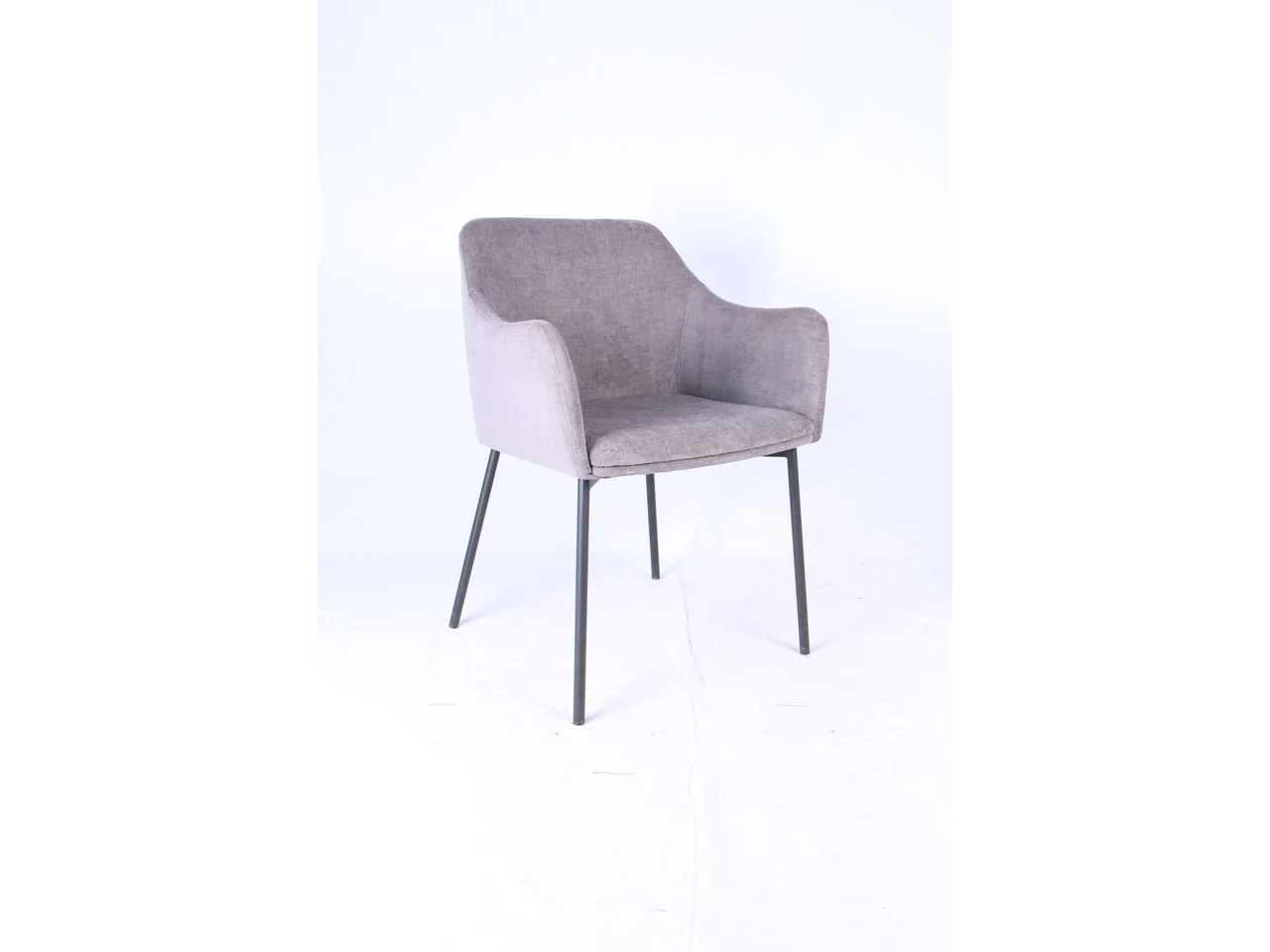
Anji is a county in Zhejiang that makes a remarkable share of the world's chairs — the cluster here covers everything from mesh weaving to gas lifts to the cartons they ship in, often within a few kilometres of each other. Buyers fly in, and most of them spend their day in showrooms drinking tea. That is a pleasant day and a wasted flight. We host visits regularly, and the buyers who get real value out of them all do roughly the same things. Here is the day I would plan if I were on your side of the table.
Morning: the floor, not the showroom
Ask to walk the production floor first, while everyone is fresh and before the schedule slips. The showroom will still be there at four o'clock; it never changes. The floor cannot pretend.
You are not there to judge whether the factory is big — you are there to judge whether it is in control. Watch three things. First, incoming materials: is there a marked QC area where gas lifts, mechanisms and fabric get checked against a spec before they enter the line, or do deliveries go straight to the stations? A factory that does not gate its components is assembling whatever its cheapest supplier sent that week. Second, the line itself: are there work instructions at the stations, are torque tools set or just guessed, do part bins carry labels with model numbers? Third, end of line: who checks the finished chair, against what document, and what happens to the ones that fail — a visible rework rack is a good sign, not a bad one. Failures that have nowhere to go end up in cartons.
Then ask for the warehouse. Thirty seconds in a finished-goods warehouse tells you about carton quality, stacking discipline and whether goods for other clients look like the quality you are being promised. If the visit route somehow never passes the warehouse, ask why.
One question that sorts factories fast
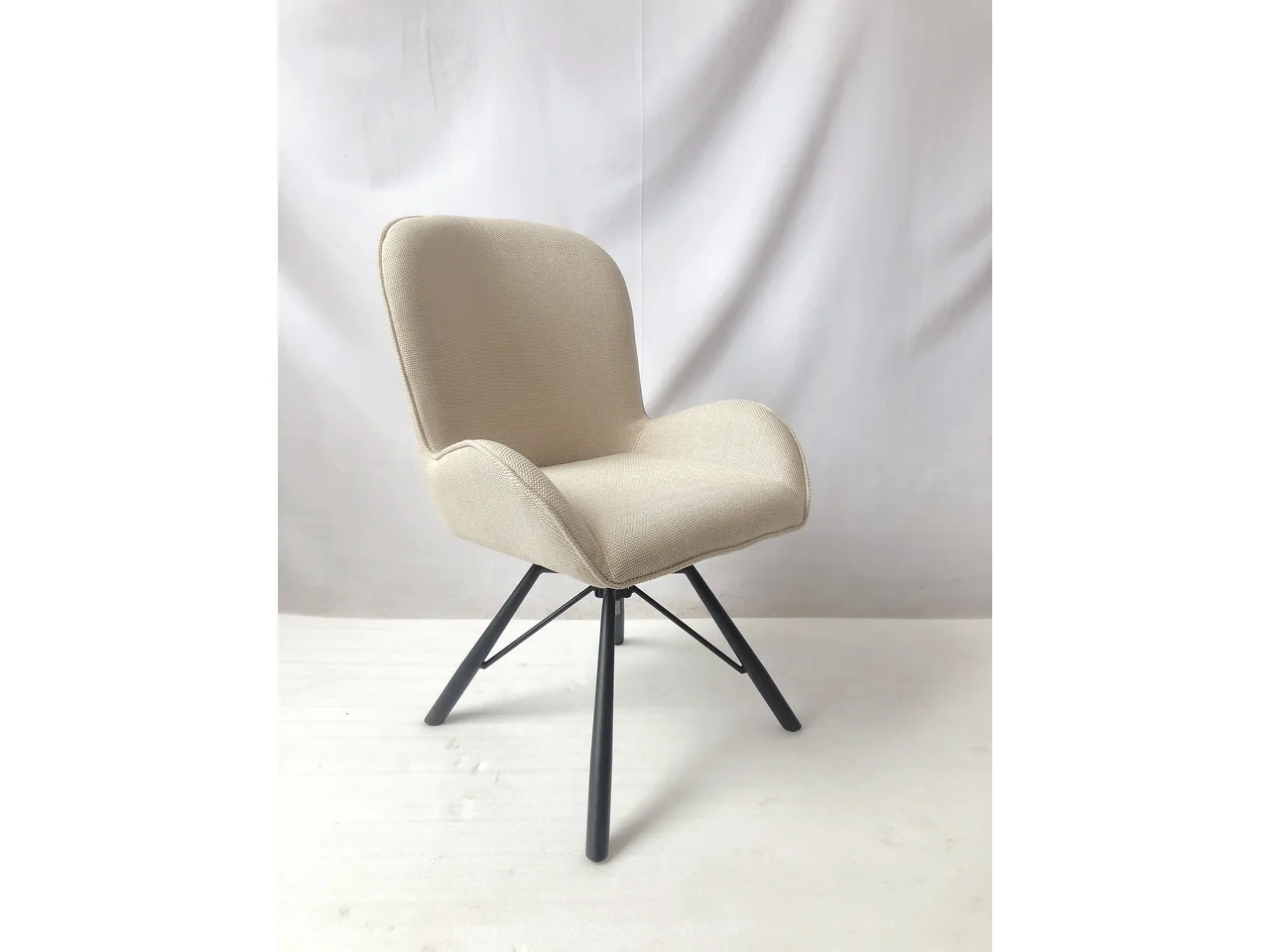
At some point on the walk, point at any chair on the line and ask: "Which parts of this do you make here, and which do you buy?" Every chair factory in Anji buys components — the cluster exists precisely so that nobody has to mould their own castors — and an honest answer names suppliers without flinching. The answer to worry about is the vague one. A factory that claims to make everything is either exaggerating or counting its subcontractors as itself, and subcontracting you cannot see is where delivery dates and quality control quietly leave your contract. We are open about our build-versus-buy split, and I wrote about how that split shapes cost in our piece on office versus dining chair construction — the sourced components are different for each line, and you should know which is which.
Afternoon: the meeting room, with the right agenda
After lunch, when you sit down with the sales team, the brochure conversation will try to happen. Replace it with three concrete exercises. First, bring a chair — yours, a competitor's, anything — and ask them to critique it. A capable factory will start pointing at the cylinder stamp, the base webbing, the foam edge within a minute, and you will learn how they think. Second, ask to see the spec sheet and test report for a product they already export to your market, with the client name blanked. You are checking that documents exist as working tools, not as things created after you asked. Third, talk through one real failure — "tell me about the last claim you had and what you changed." Factories that cannot name one are not claim-free; they are memory-free.
On certificates, the honest phrasing you want to hear in Anji is the one we use ourselves: chairs are built and tested to ANSI/BIFMA and EN 1335 methods, and third-party testing can be arranged per order against your final spec. A drawer full of generic certificates that predate your product tells you less than one report commissioned on the actual chair you are buying.
What a day cannot tell you
Fair warning about the limits. One visit shows you the factory on a day it knew you were coming. It does not show you week six of your production, the post-holiday restart, or how problems get reported when you are nine time zones away. So treat the visit as a filter, not a guarantee — it eliminates the factories that fail in daylight, and for the ones that pass, the real test is the first order, inspected properly. Pair what you saw with a third-party pre-shipment inspection on order one, and compare the inspection photos against your memory of the floor. If they match, you have a supplier. If they do not, you have a showroom. For a broader checklist that applies beyond a single visit day, the guide to verifying a chair factory on ChairManufacturer.net covers documentation, subcontracting checks and ongoing qualification steps.
If your day in Anji includes us
Daming has been building office and dining seating in Anji since 1994, and visits here run exactly as described — floor first, warehouse on request, and a meeting room where the spec sheets do the talking. Look at the office-chair and dining-chair lines before you come so the walk means more, and see our OEM/ODM page for how a project starts after the handshake.
To put a visit on the calendar — or to run the same checklist by video if the flight is not happening this year — write through the contact form or to [email protected] with your dates and the products you want on the table when you arrive.